
Archaeological Museum of Chalcis on the island of Euboea
It is worth knowing that in Chalcis, the capital of the island Euboea, there are two Archaeological Museums:
-
the Archaeological Museum of Chalcis, known as the old archaeological museum, and
-
the Archaeological Museum of Chalcis "Arethousa," referred to as the new archaeological museum.
Chalcis Archaeological Museum
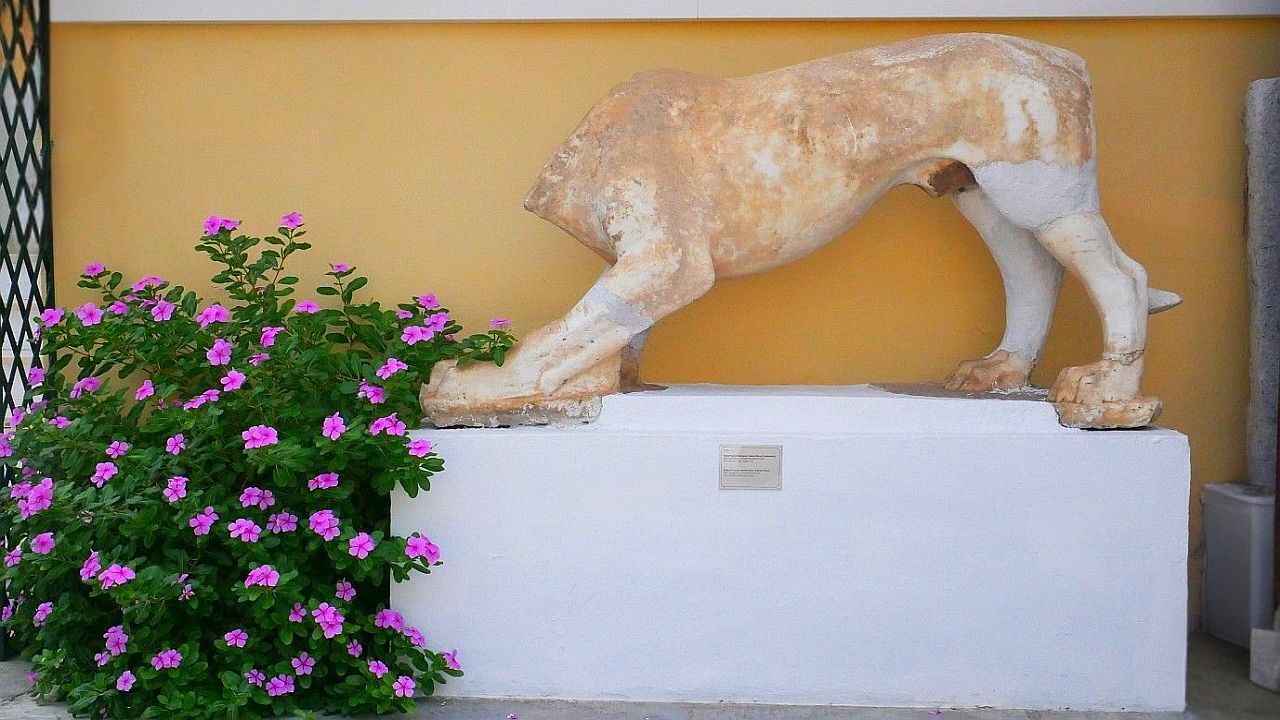
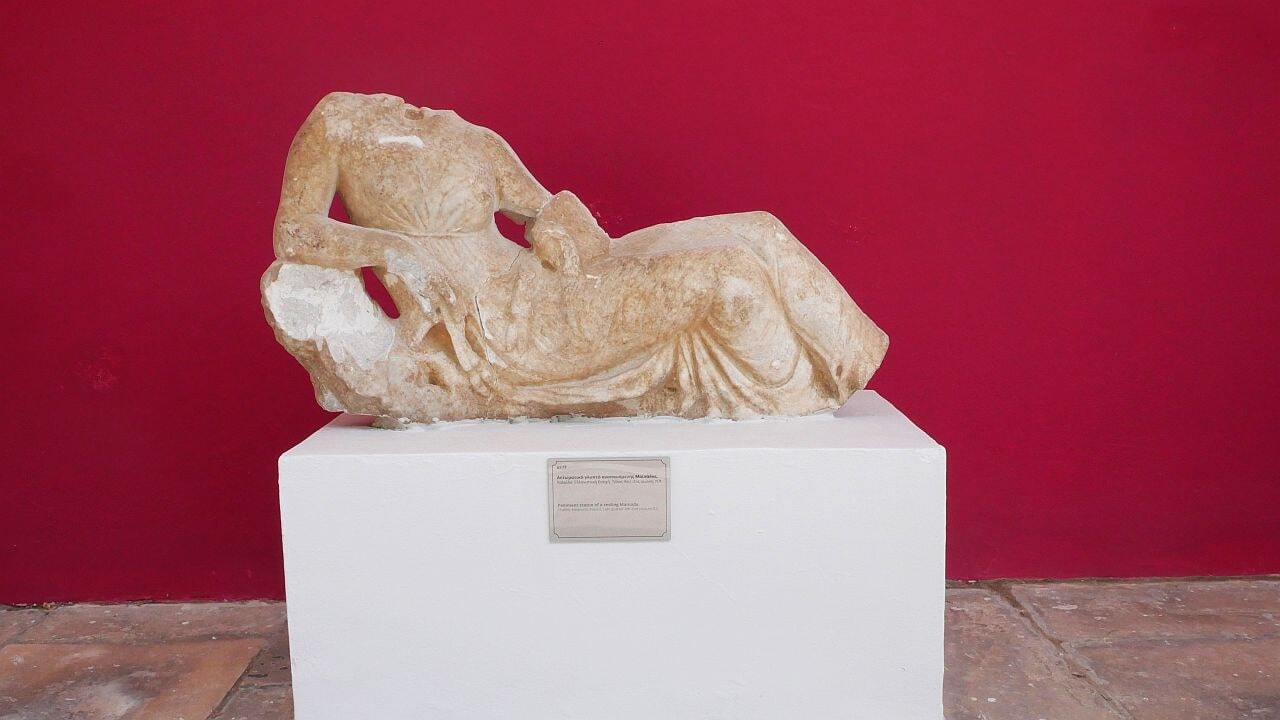
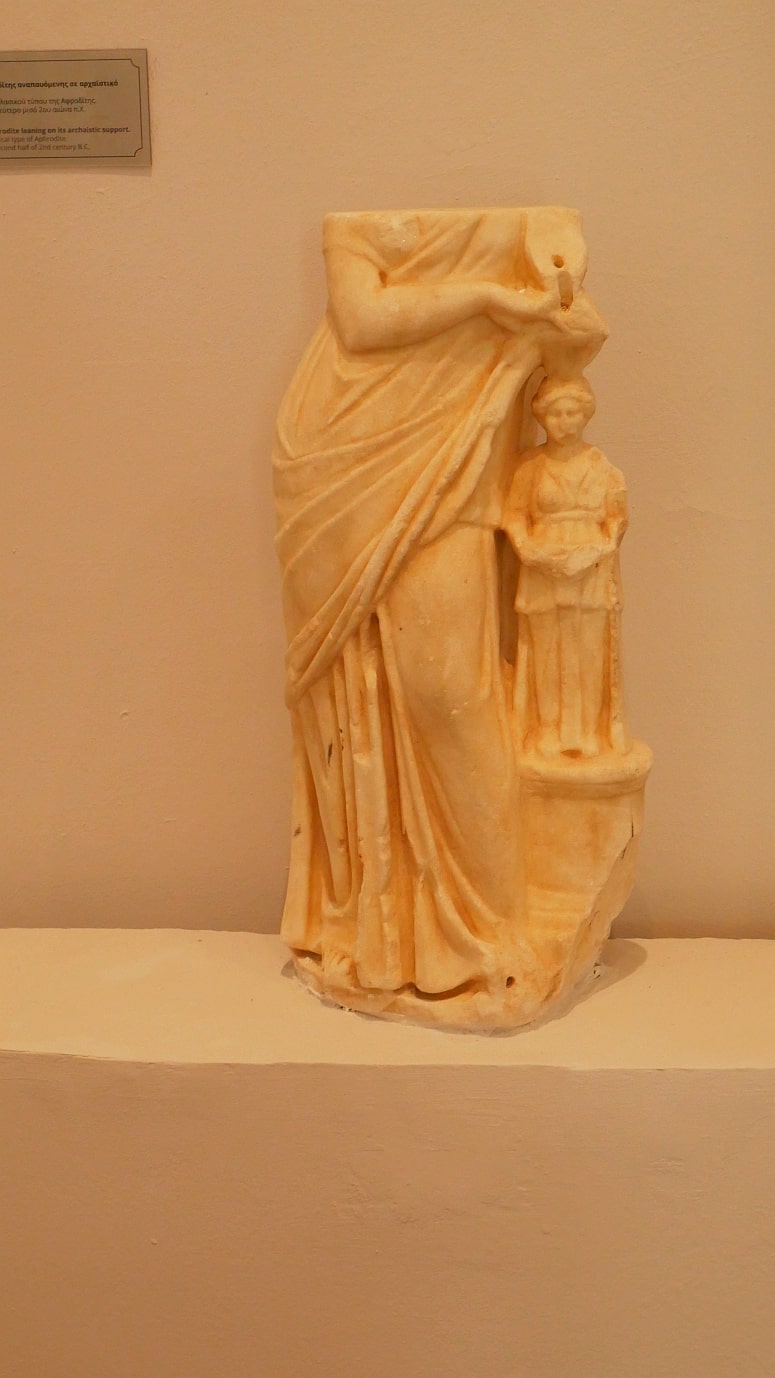
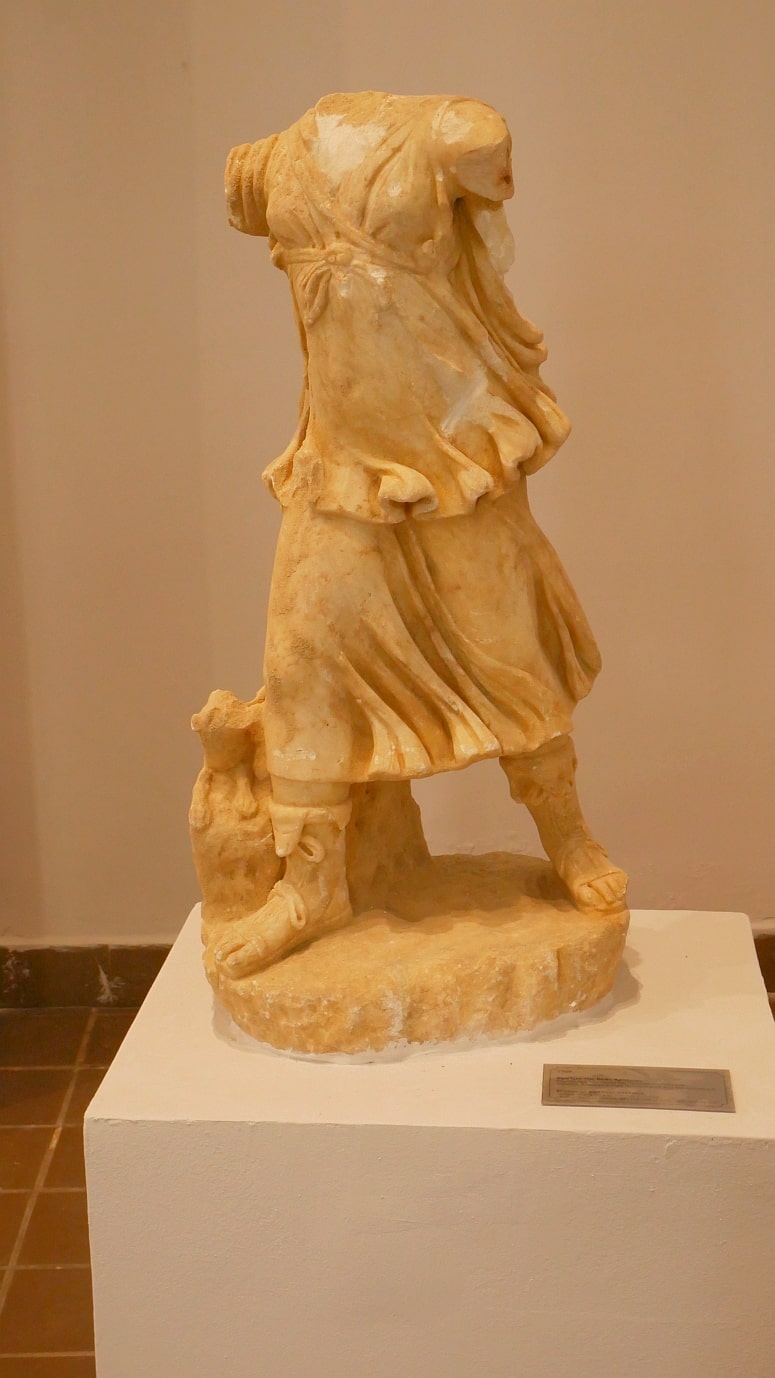
also known as the old archaeological museum, is located in a building from the early 20th century. The building belongs to the Greek state. It has a courtyard and three rooms where exhibits collected from all over Euboea are displayed. Although it is modest and small compared to the new museum, it attracts interest not only because it is located in the very center of the city.
The museum's exhibition has been organized in such a way as to present the turbulent history of the island, important connections between mythology and historical facts from ancient times.
In the courtyard, tombstones, decrees, architectural elements, and sculptures from the classical, Hellenistic, and Roman periods are displayed. In the three rooms of the museum, a chronological classification of showcases and exhibited objects is conducted, starting from the Paleolithic era (around 100,000 years B.C.) and ending with the Roman times.
Chalkis Archaeological Museum, called Arethusa
The location and name of the new archaeological museum in Chalkida is not accidental, as:
-
it is situated in an industrial building (from the early 20th century), which is itself regarded as a monument. The museum's atmosphere engages the visitors. Both the exterior and interior of the building, with its restored walls and roofing, evoke the times of its original use.
-
The museum's location is close to the mythical springs of Arethusa, from which the museum derives its name. Arethusa was a nymph of springs and forests, but also a companion of the goddess Artemis, whose temple is located on the outskirts of the city (the map of Euboea indicates the exact location).
The museum showcases exhibits from Euboea and Skyros. It is thematically and chronologically divided. It covers the period from the 3rd millennium BC to the Ottoman times.