About 30 km southeast of Rethymno lies the ancient city of Eleutherna and the Archaeological Museum, entirely dedicated to the excavations. Both sites are worth visiting, as they complement each other.
The first discoveries were made in 1929 by the English School of Archaeology. The University of Crete returned to the excavations in 1985. Extensive work, lasting several years, uncovered the remains of an ancient city that underwent several periods of reconstruction, primarily from the Geometric period to the early Byzantine period.
Visiting ancient Eleutherna in Crete
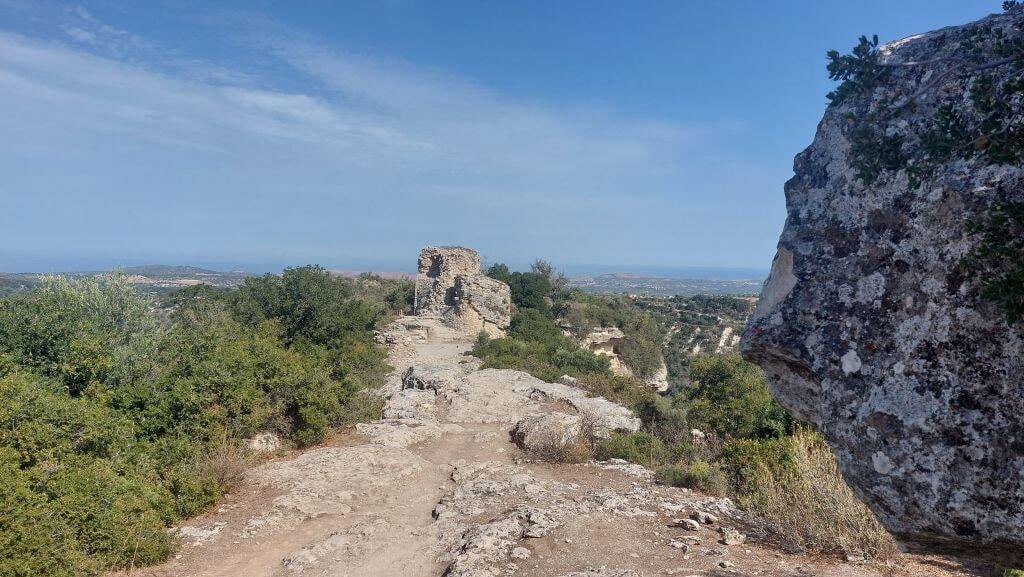
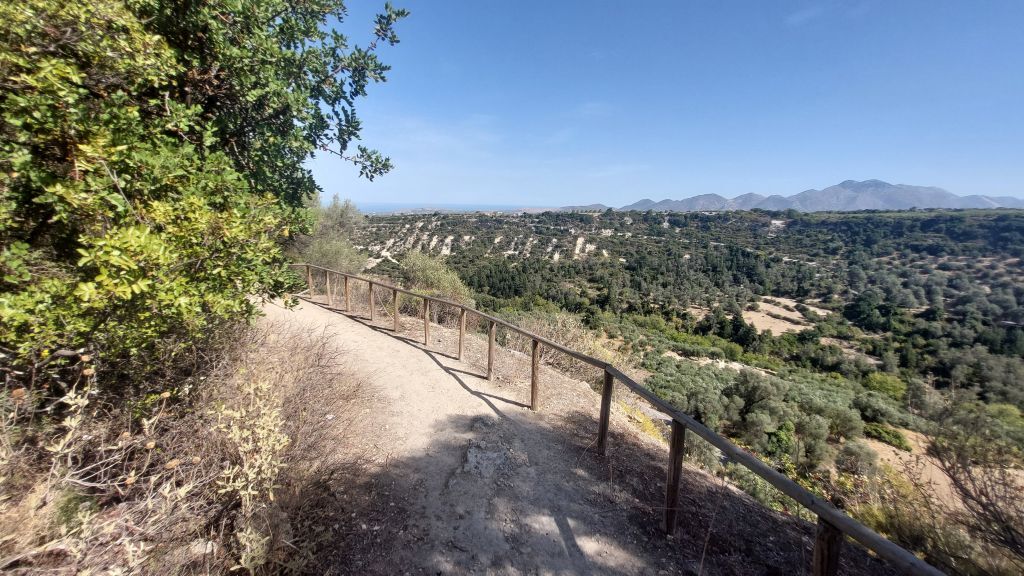
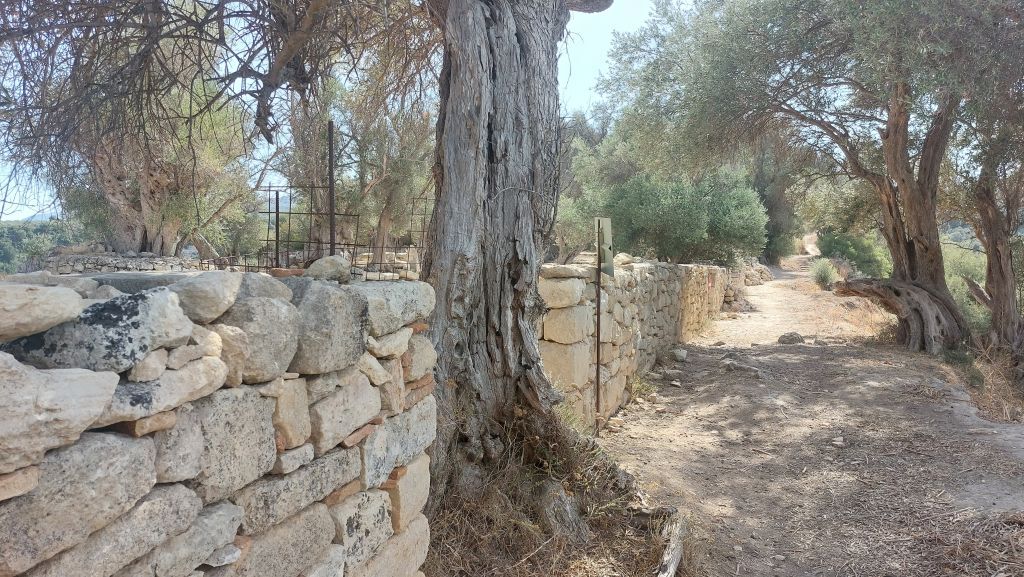
Visiting ancient Eleutherna requires a certain level of physical fitness. The excavations are located at the foot of Mount Ida and stretch for approximately 1.5 km. The path, typical of mountain trails, attracts those who enjoy hiking. On hot days, the trees provide shelter from the scorching sun. However, appropriate footwear and a generous supply of beverages are essential.
Mythological Connections
The name of ancient Eleutherna comes from one of the Couretes, Eleutherna, who protected infant Zeus from his father. According to mythology, he struck bronze shields to muffle the baby's cries.
As a reminder, Cronus, a Titan, or giant father, swallowed his children for fear of losing his kingdom. Rhea's wife, who had already had several children taken away in this way, hid another pregnancy from her husband. She gave birth to infant Zeus in the cave of Dikte in Crete and provided care.
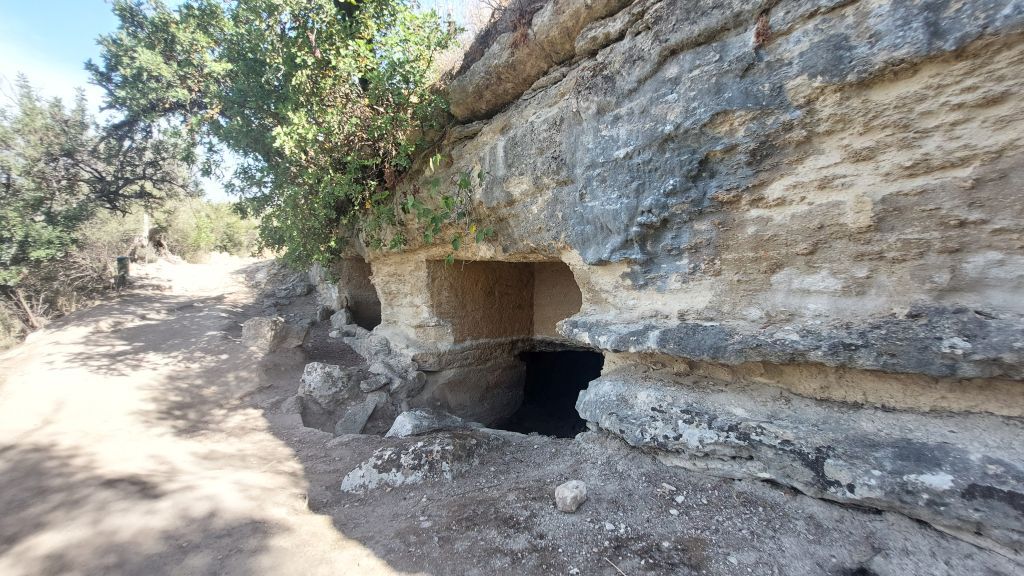
The establishment of a city here seems obvious. The existence of drinking water from natural springs ensured life not only for humans but also for cattle and vegetation. The aromatic and medicinal herbs growing nearby provided relief from pain and incense for the gods, which was closely linked to the religion of the time. Trees protected from the scorching sun and provided building materials for houses. There were also limestone quarries here, which some consider today the city's greatest attraction. The proximity of the coast and the ability to observe the sea from northern Crete were also significant.
The History of Ancient Eleutherna in Crete
In the 3rd century BC, Eleftherna was a powerful city, fighting against Rhodes and Knossos. When, in 220 BC, Cretan cities vied for dominance, Eleftherna sided with Knossos. Constant raids by Knossos's enemies forced Eleftherna to break off the alliance.
When the Romans began colonizing Crete, Eleftherna put up a long defense. It was finally conquered in 68 BC.
Sightseeing
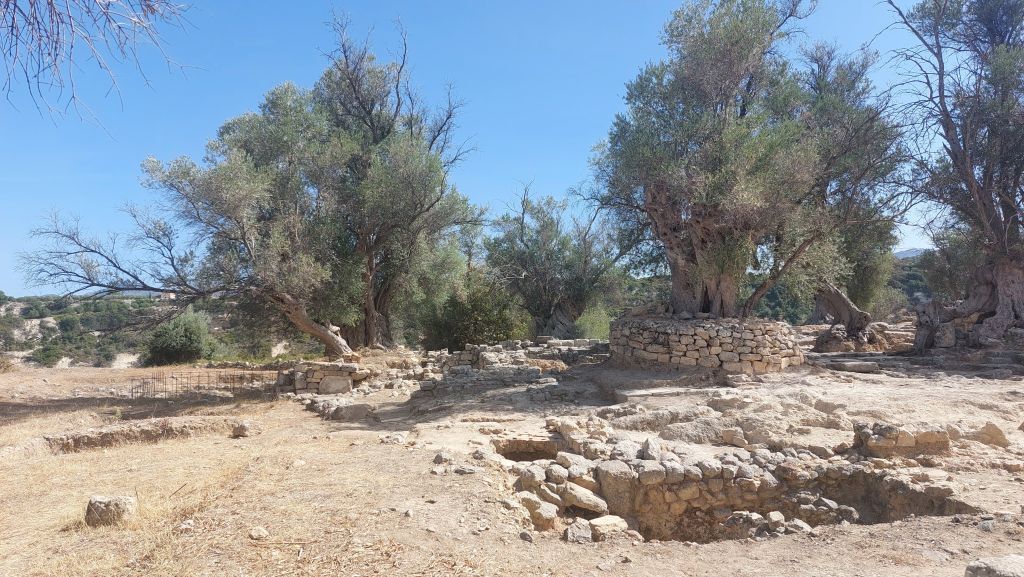
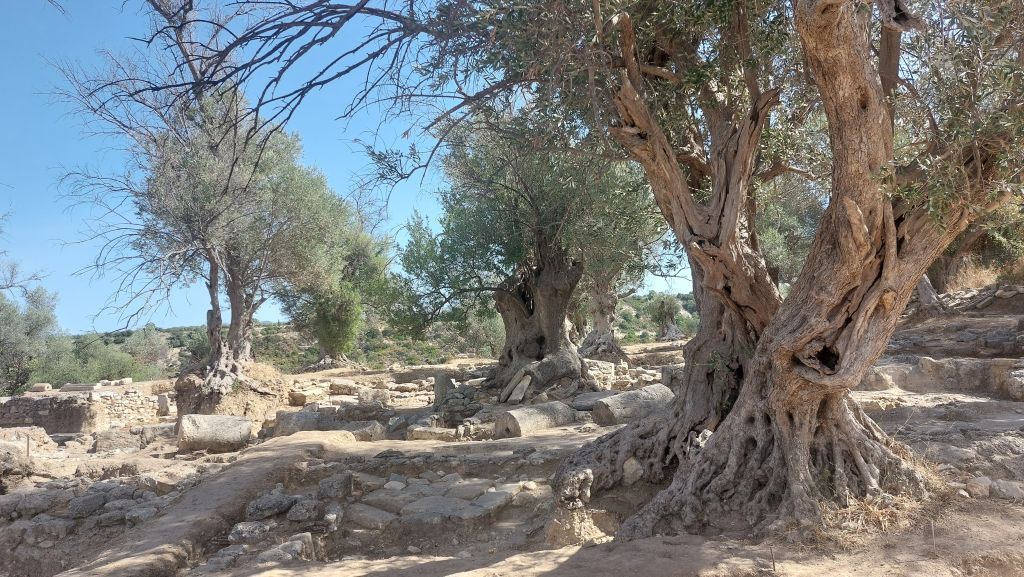
The archaeological site is designated a protected area, as work by the University of Crete revealed that the area of ancient Eleftherna is not only interesting historically. The surrounding natural environment also attracted attention. It contains centuries-old olive trees, cypresses, carob trees, pomegranates, oaks, and oleanders. In addition to securing and describing the best-preserved monuments, an effort was made to plant hundreds of endemic trees, i.e. those that occur naturally in the area.
As a result, a kind of archaeological park was created here, with paths typical of tourist trails, featuring wooden stairs and handrails, and rest areas. Numerous information boards allow visitors to orient themselves to the various archaeological sites.
A botanical garden has also been established, where visitors can admire plants native to Crete and learn about their medicinal and aromatic properties.
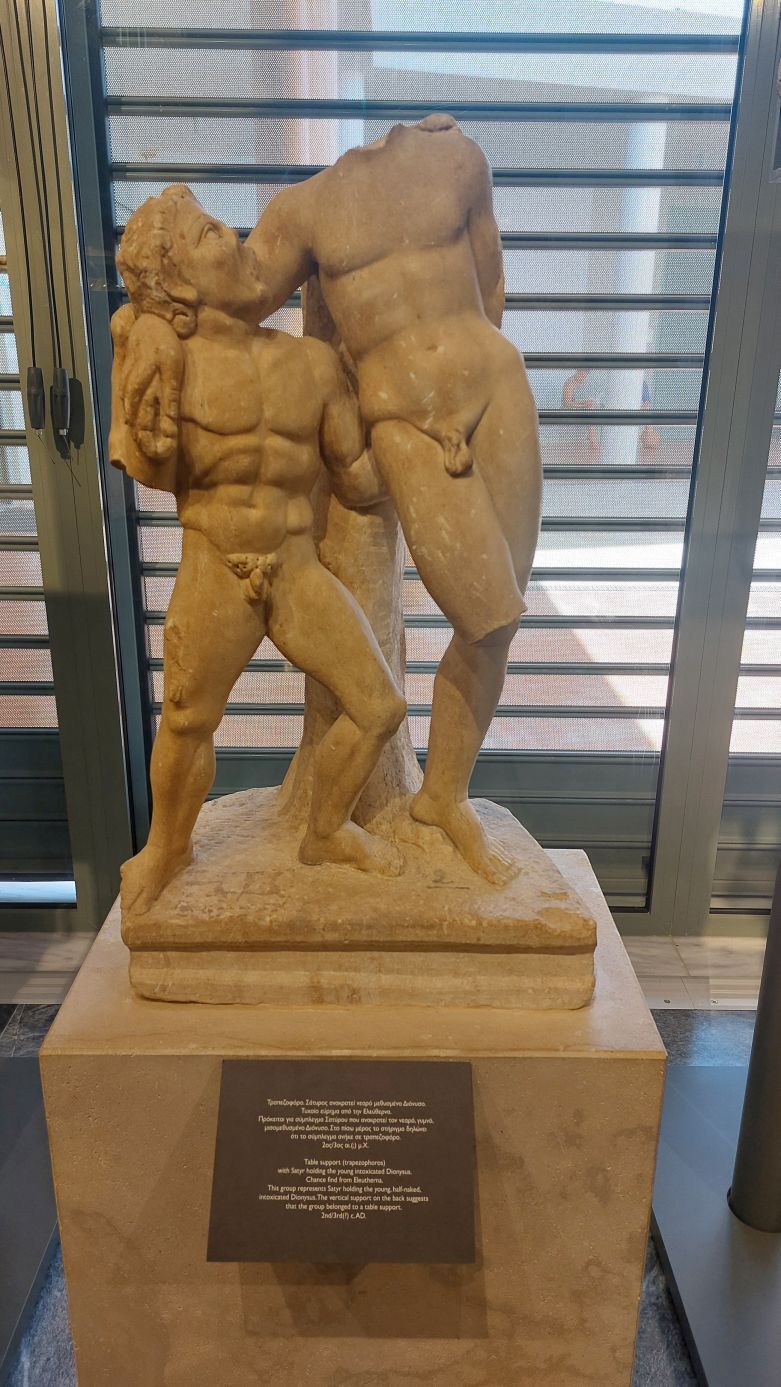
During excavations, objects from various historical periods were discovered, including dozens of inscriptions, sculptures, objects made of precious materials, exotic artifacts imported from the East, coins, metal vessels, and glass vases.
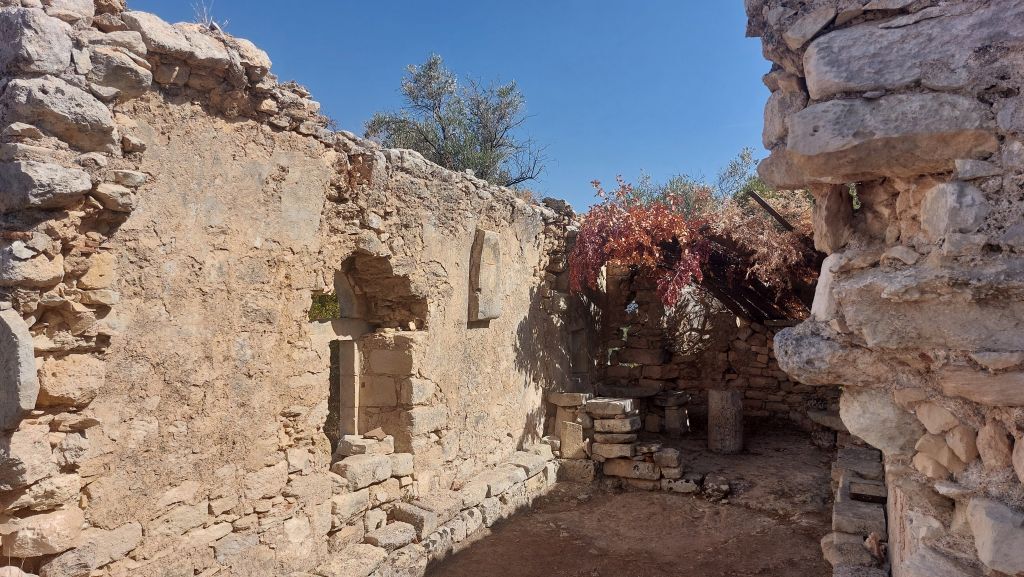
Hellenistic retaining walls and Roman structures were discovered in the main center of the ancient city. The Christian basilica was built on an earlier Hellenistic cemetery. Construction took a long time, spanning from 420 to 450 AD. According to the inscription, it was dedicated to the Archangel Michael. It was destroyed in the 7th century AD.
Several graves dating from the 6th and 7th centuries AD were discovered around the main center.
The Roman buildings consist of three houses and a bathhouse with two ovens, which were destroyed by a powerful earthquake in 365 AD.
A stone-paved street and a large public building, likely from the Hellenistic period (2nd to 1st century BC) and also in use during the Roman period (1st to 2nd century AD), were also discovered here.
Archaeological remains atop the northern part of the hill suggest that this was the center of the ancient city for successive periods. They include Late Bronze Age buildings, a pottery kiln from the Geometric period, an Archaic sanctuary, as well as Roman, Late Roman, and Byzantine buildings.
The discovered cemetery, founded in the 9th century BC, was in use until the Archaic period, around 600 BC. Part of the cemetery lies beneath the houses and streets of the later city, built during the Hellenistic and Roman periods. The entire Hellenistic urban district, with several houses and a sanctuary enclosure with a five-columned Doric propylon from the 4th century, was excavated on the western hill of the ancient city. Buildings and other remains are scattered throughout the area. These include part of a fortification tower from the Hellenistic-Byzantine periods, two enormous rock-cut water tanks, a large limestone quarry appreciated by tourists, cemeteries, and a still impressive stone bridge.