Othe submerged ancient city
Olous, in ancient times, was a great state - city, or Polis. It had its own port and minted its own coins. There was also an important center of worship. The city was famous for the wooden statue of Vritomaris, the Cretan version of the goddess Artemis. The statue was carved by Daedalus himself, the famous mythological sculptor and architect. The city prospered through the trade of grinding stones, which were used for polishing metal. They were mined in quarries in the Karfi region.
The Roman rule further strengthened the position of the polis. In the 5th century AD, a basilica was built on the site of the ancient temple, where remnants of mosaics can still be admired today. It also housed the bishop's seat.
The Byzantine period was a difficult time for coastal regions. In the 7th century AD, pirate raids by Saracens were frequent here. The inhabitants, fearing for their property and lives, moved inland.
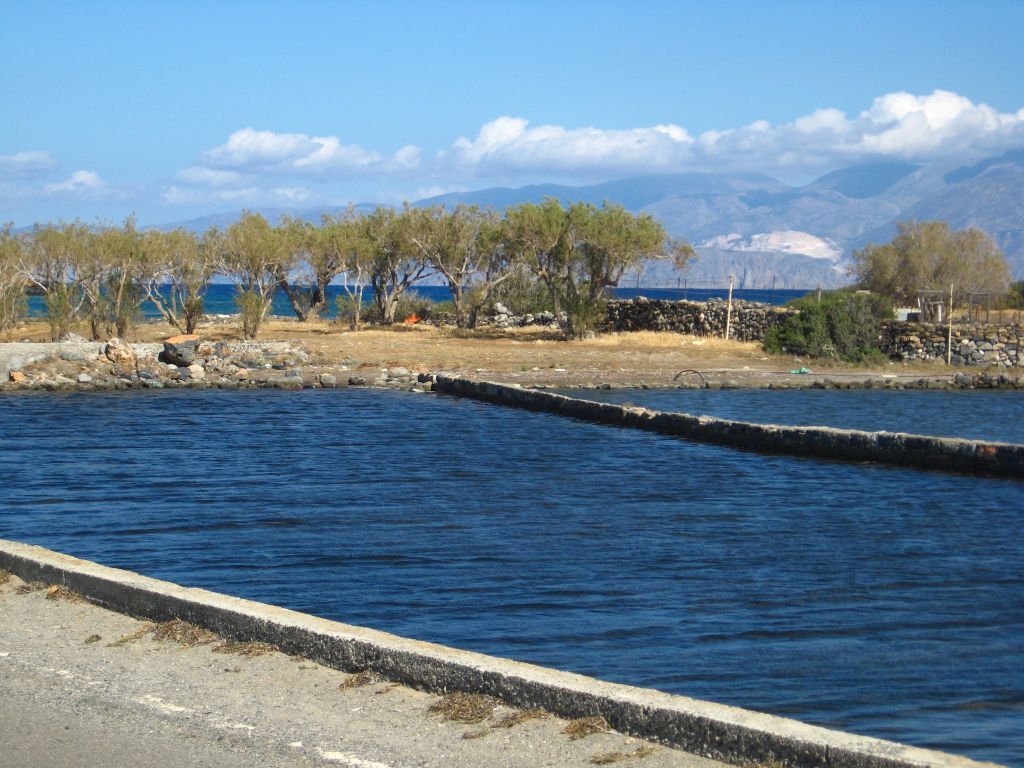
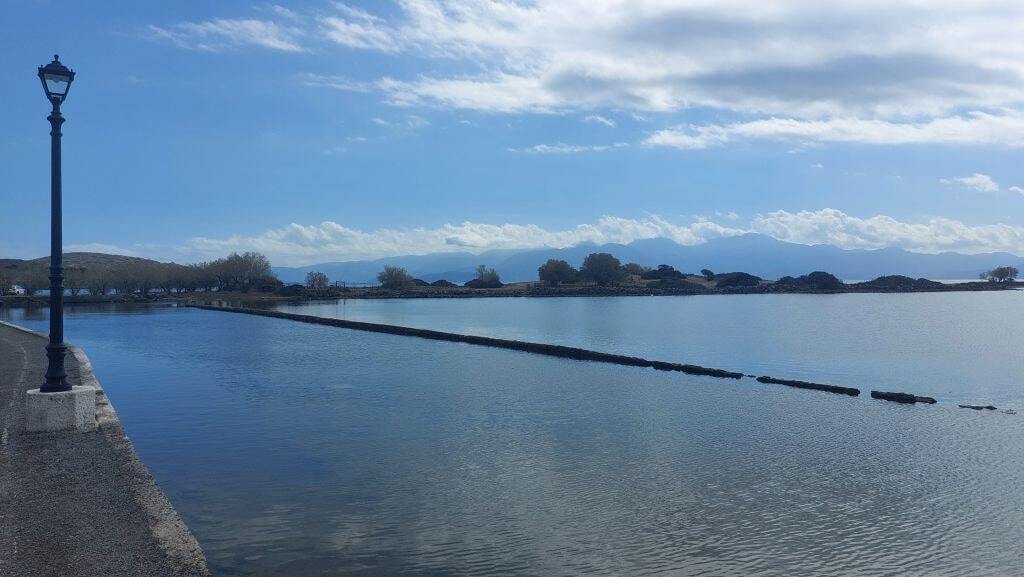
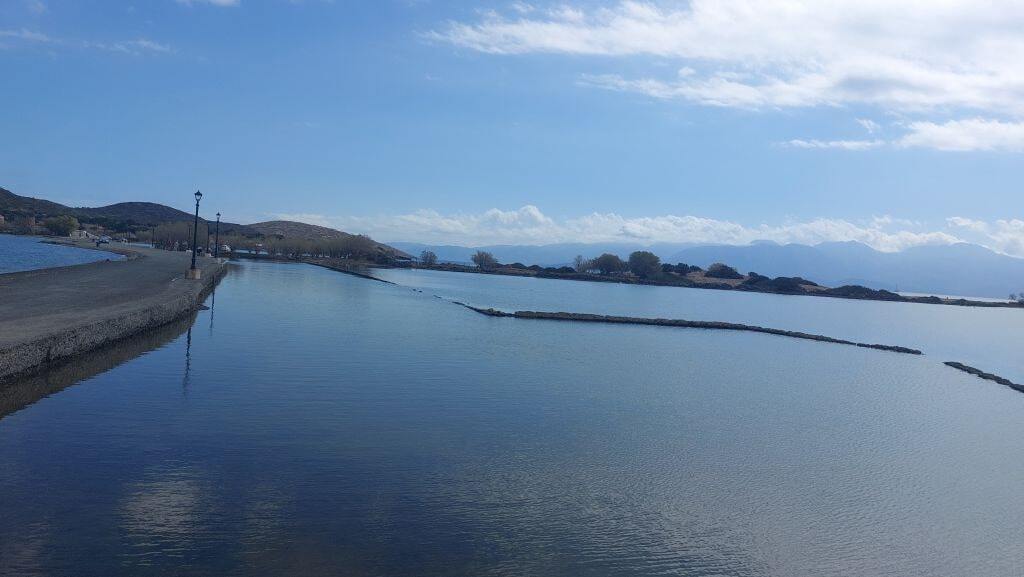
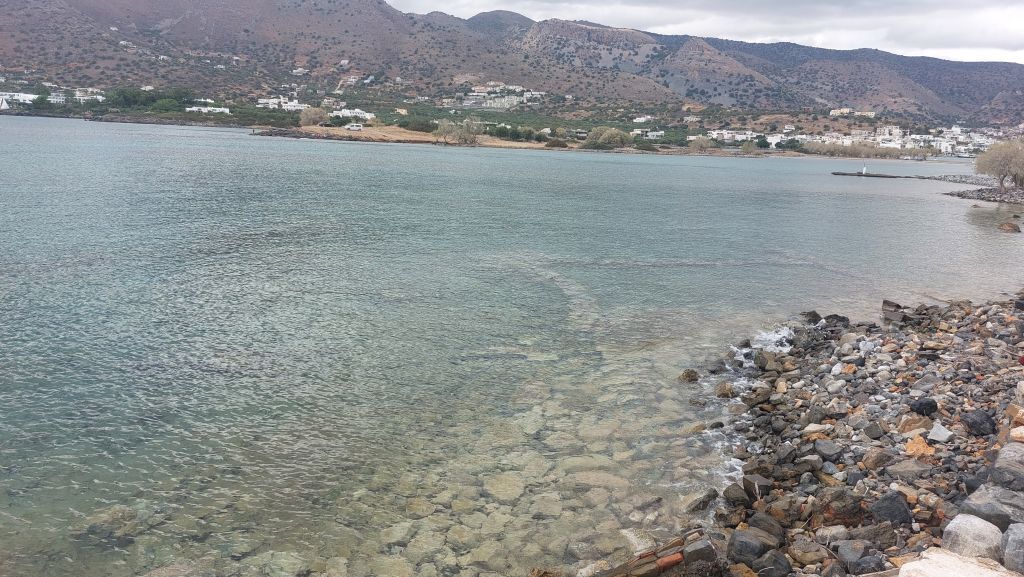
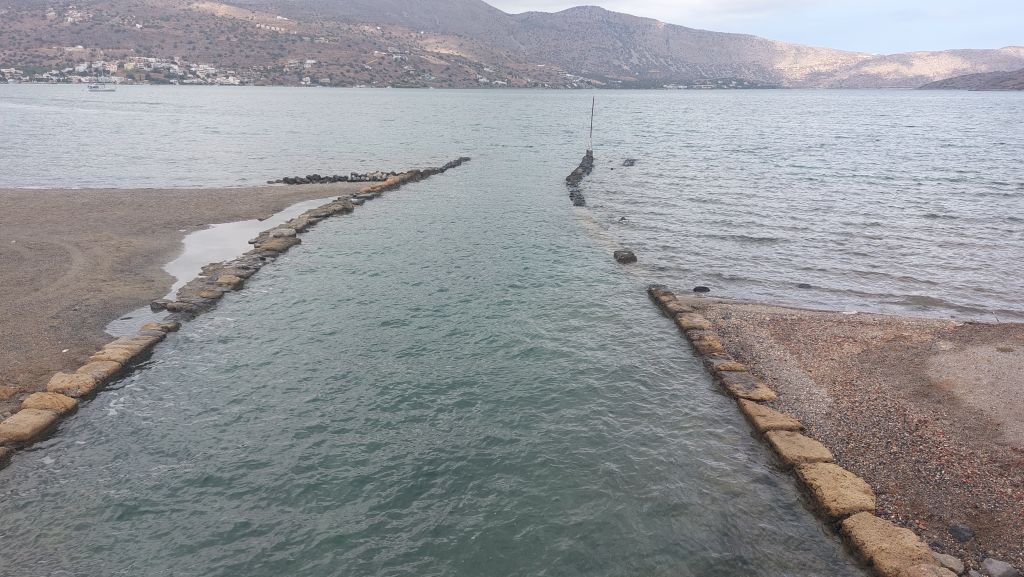
In 780 AD, a landslide occurred. The city lies on the boundary of tectonic plates. A significant part of the buildings was submerged. To this day, one can admire the walls protruding from the sea level. In good weather, the outlines of the buildings can also be recognized.
Elounda - present times
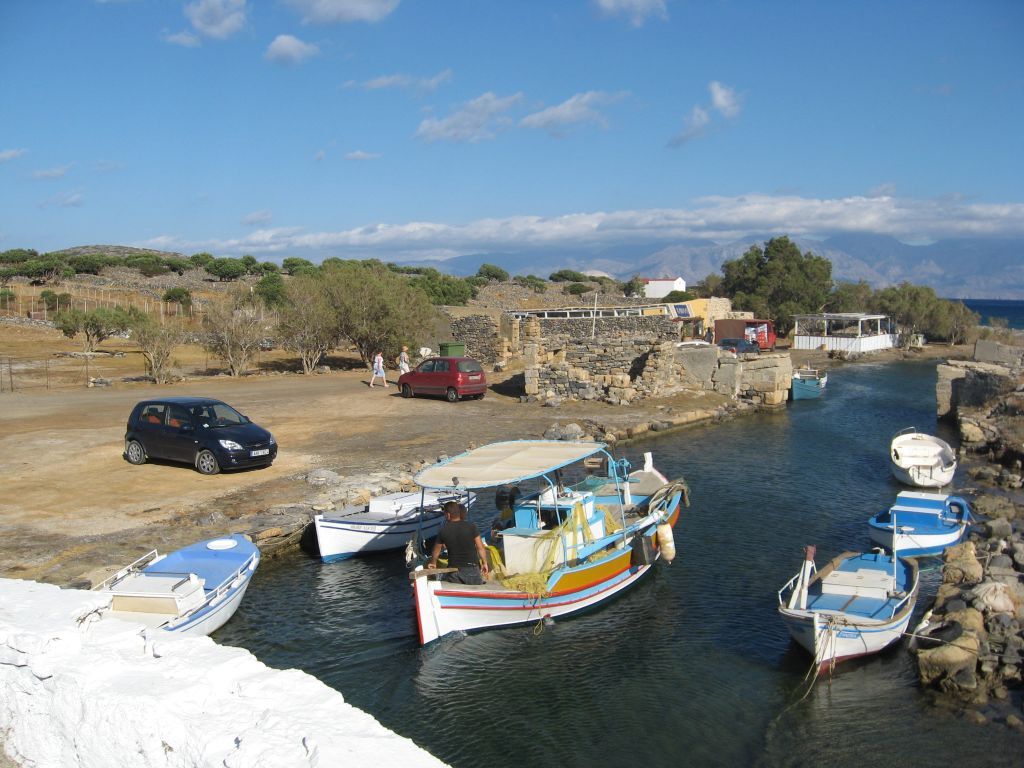
Today, Elounda is a town with hotels for wealthy tourists. The port is filled with many fishing boats, from which fresh fish can be purchased. Boats depart from here to the nearby Spinalonga. The town itself is very pleasant for a stroll, and the port, with its abundance of palm trees, is a very nice place to relax after viewing the sunken ruins of the ancient city, the early Christian basilica, stone windmills, or the canal where small boats navigate out of the bay into the open sea.
Elounda - later times
The Venetian period marked a resurgence of the city. In documents from 1376, a new name for the city appears - Elounda. Large water reservoirs were created, along with three round stone windmills, now out of use, for salt production. The Venetians fortified the coast to defend against pirates and Turks. During this time, a fortress was built on the nearby island, Spinalonga which was captured by the Turks in 1715. The Turkish era saw a slowdown in the city's development, although the salt produced here continued to bring profits.
In 1913, Crete was united with Greece. From 1928 until the outbreak of World War II, British airline seaplanes made intermediate landings here to refuel. Unfortunately, in order to prevent a possible Allied landing, the Germans occupied Elounda.