Minoan Palace at Zakros in Crete
The Minoan palace at Zakros in Crete is the fourth largest Minoan palace in Crete, after Knossos, Malia, and Phaistos. It is situated in a spectacular location on the island's eastern coast. It may seem hidden in a bay, yet it is open to trade with the countries of the East.
Similar to the other palaces, buildings from various Minoan periods have been discovered here. The oldest date back to 1900 BC, while the newest to 1600 BC. The palace was destroyed around 1450 BC.
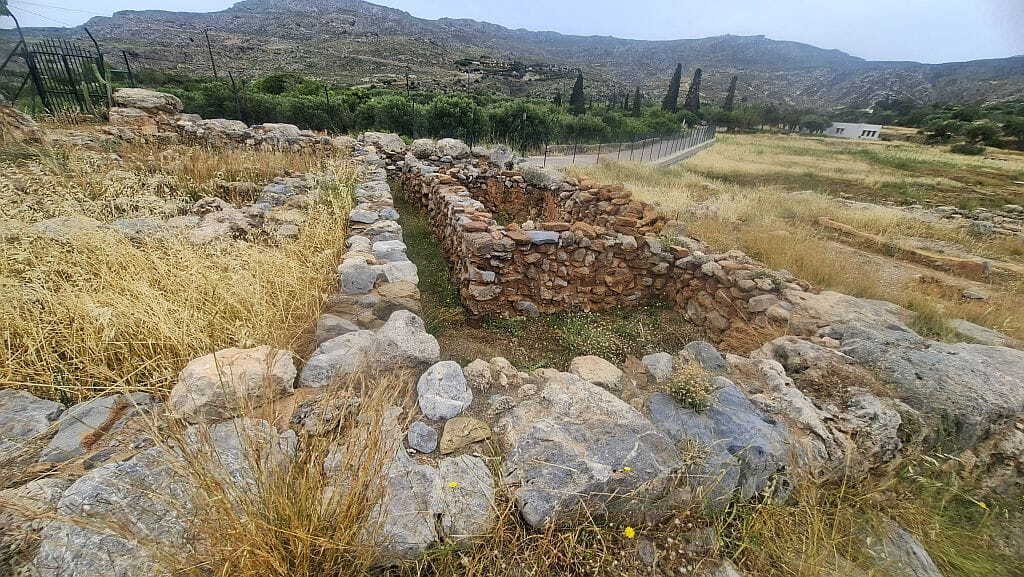
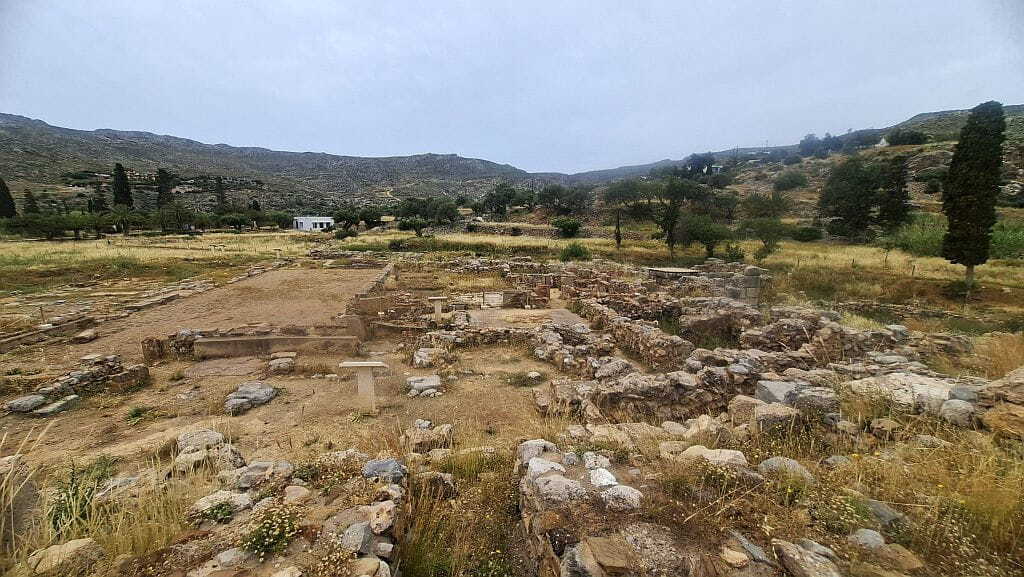
Excavations have revealed over 8,000 m² of buildings of varying character and architecture typical of Minoan palaces.
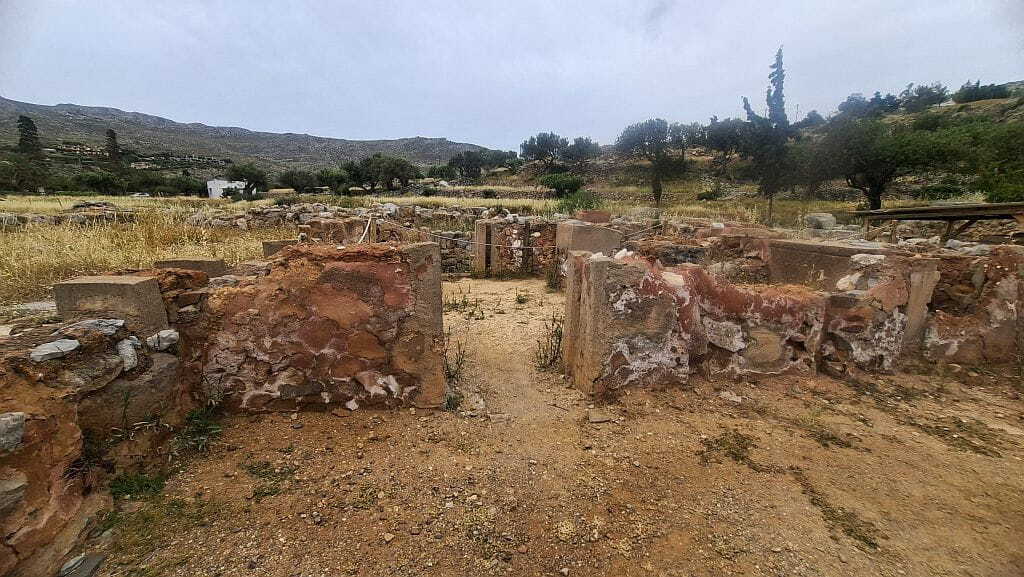
The main entrance was from the eastern side, the seaport. To this day, a paved road led to the second, central gate. Behind it, several steps, which compensated for the differences in ground level, led to a vast courtyard measuring 30×12 meters. This was the "heart of the palace." This was where the most important religious ceremonies and celebrations took place. Today, it's difficult to discern the former splendor of the site, but according to archaeologists, the courtyard was surrounded by beautiful and richly decorated facades and arcades with columns supporting the verandas.
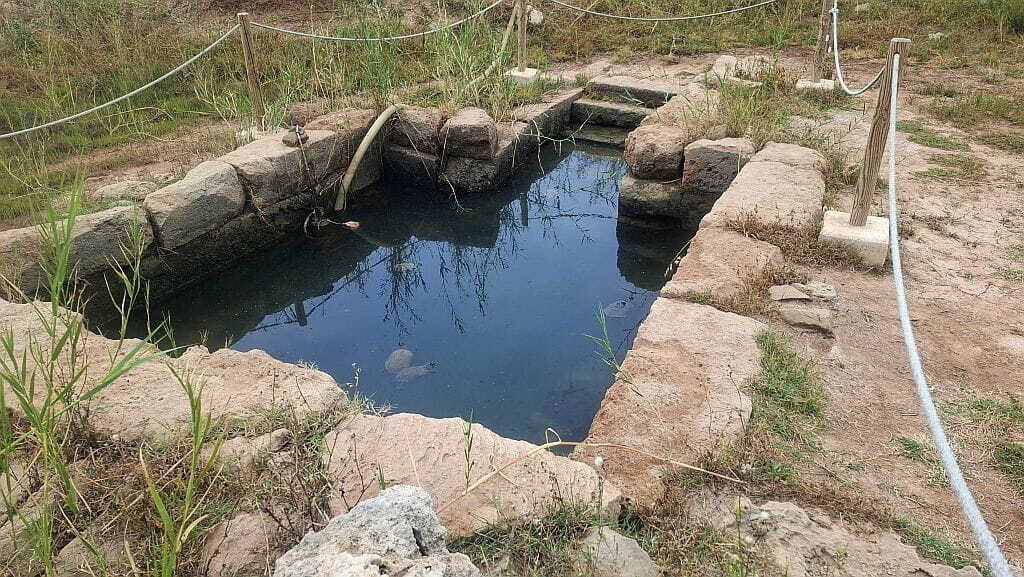
In the northwest corner of the courtyard, the main altar stood. It wasn't the kind we associate with today. The entire west wing of the palace was a place of worship. The sanctuary consisted of eleven rooms with various purposes. Strangely enough, the main room was small and inaccessible to the faithful. However, an underground cistern was discovered, likely related to a purification ceremony.
In the southern part of the sanctuary, cult objects were found between stone partitions.
Even further west, behind the sanctuary, an archive was likely located. Boxes containing clay tablets with Linear A script were found here, all displayed on clay shelves.
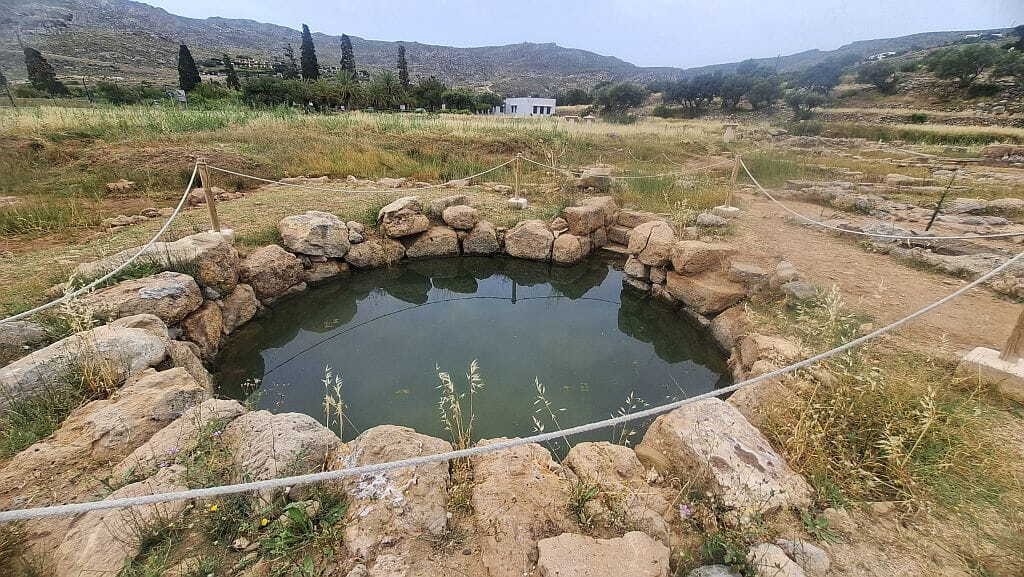
The eastern wing was designated as the royal apartments. The largest room was intended for the king, and a slightly smaller one for the queen. A cistern with a diameter of 7 meters was discovered here, as well as two fountains.
In the southern part of the palace, a small workshop complex was located. Perfumes and vessels were produced here. A real treat for archaeologists was the discovery of a large collection of ritual vessels, virtually intact.
Architecture here was so advanced that multi-story buildings were constructed. A large staircase leading to the upper floor was discovered in the northern wing of the palace. This likely housed a bathroom and a banquet hall.
Water in the Palace at Zakros in Crete
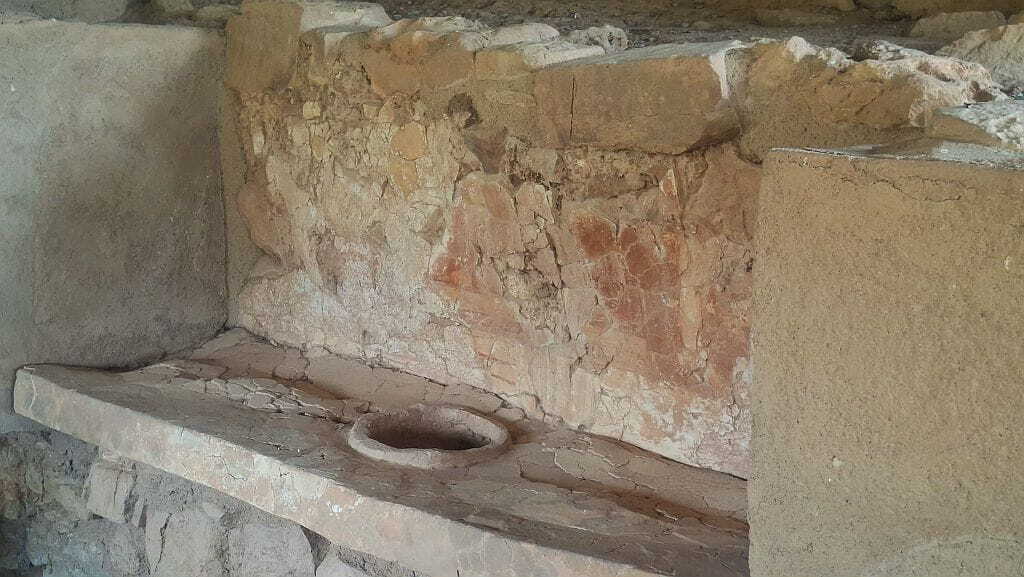
Walking through the ruins of the palace, one gets the impression that every few moments one passes a reservoir. This is no coincidence. Minoan palaces were renowned for their advanced plumbing and sewage systems. The technology, which was millennia ahead of its time, remains astonishing to this day.
Water was not only brought from the surrounding hills and distributed throughout the palace grounds. A toilet flushing system was also developed, predating ancient finds by decades.