
Discover Lanzarote – an Island Shaped by Volcanoes and Human Vision
Lanzarote is a place where nature and art come together in perfect harmony. Volcanoes, lava tunnels, whitewashed villages, lush vineyards, and the remarkable creations of César Manrique make every corner of the island tell its own unique story. Discover the places that are truly worth visiting.
💡 Did You Know That on Lanzarote...
Did César Manrique really transform the entire island?
Do grapes really grow in volcanic ash?
Did the longest lava tube really stretch for 7 kilometres?
Did the largest eruption last seven years?
The Most Beautiful Places to Visit in Lanzarote




How to Explore Lanzarote


🌋 Why Visit Lanzarote?
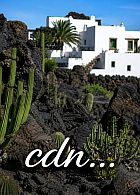
Imagine one of the Canary Islands, where whitewashed houses with green doors and shutters rise among black fields of solidified lava. Palm trees sway in the wind, vineyards grow in volcanic soil, enormous cacti stand out against the dark rocks, and the intense blue of the Atlantic Ocean is almost always somewhere in sight.
Thanks to its mild climate, Lanzarote is a fantastic destination for a winter holiday. When the days in Poland are short, grey and cold, here you can walk along the ocean, explore the island and enjoy the sunshine. Of course, Lanzarote also has cloudy days, rain and strong winds, but for most of the year the weather is ideal for spending time outdoors and simply recharging your batteries.
It is hard to believe that such a beautiful place has such a difficult history behind it. Conquests, slavery, pirate raids, famine and chronic water shortages, followed by powerful volcanic eruptions, tested the people of Lanzarote for centuries. Traces of this past can still be found in the island's landscape, towns and historic sites.
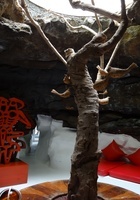
And then came César Manrique. The artist recognised the beauty of his native Lanzarote and wanted to ensure that growing tourism would not destroy it. He incorporated lava, caves, rocks and traditional local architecture into his designs, creating places that are now among the island's greatest attractions. Largely thanks to his efforts, Lanzarote has preserved its distinctive character – low whitewashed houses, green and blue shutters, and architecture that does not try to compete with its volcanic surroundings.
As a result, Lanzarote can be both rugged and colourful, volcanic and full of life, peaceful and surprising. In the morning, you can stand among black volcanoes, a few hours later stroll between palm trees and whitewashed houses, and in the evening watch the sun disappear into the Atlantic.
And perhaps that is exactly why Lanzarote is so easy to remember. It does not resemble a picture-postcard paradise – it has created a paradise of its own.
⌛ Discover the History of Lanzarote
Today's Lanzarote captivates visitors with its whitewashed towns, volcanic landscapes and extraordinary works by César Manrique. But to understand why the island looks the way it does today, it is worth discovering its history.
The first inhabitants had to learn how to survive on an island with almost no water. Later came conquest, slavery and pirate raids, while in the 18th century powerful volcanic eruptions changed a large part of Lanzarote forever. Yet the islanders remained – rebuilding their lives and learning how to make use of even the volcanic soil.
Discover the stories whose traces you will encounter as you explore Lanzarote.
📖 Want to Truly Discover Lanzarote?
In the guidebook "Lanzarote with César Manrique", I don't start with a list of attractions. First, you'll get to know the island – its people, its difficult history, its volcanoes and the individuals who helped shape Lanzarote into what it is today.
This means that as you explore, you won't simply see Lanzarote – you'll understand what you're looking at and why it is worth stopping to take a closer look.
👉 Discover the guidebook: Lanzarote with César Manrique
Worth Reading About Lanzarote


